
Why Ullopet’s slow-cut blade works on whole ingredients
Skip the cutting board: Ullopet’s blade tears ingredients at a controlled pace — keeping fiber texture pets love, and handling everything from carrots to small chicken bones.
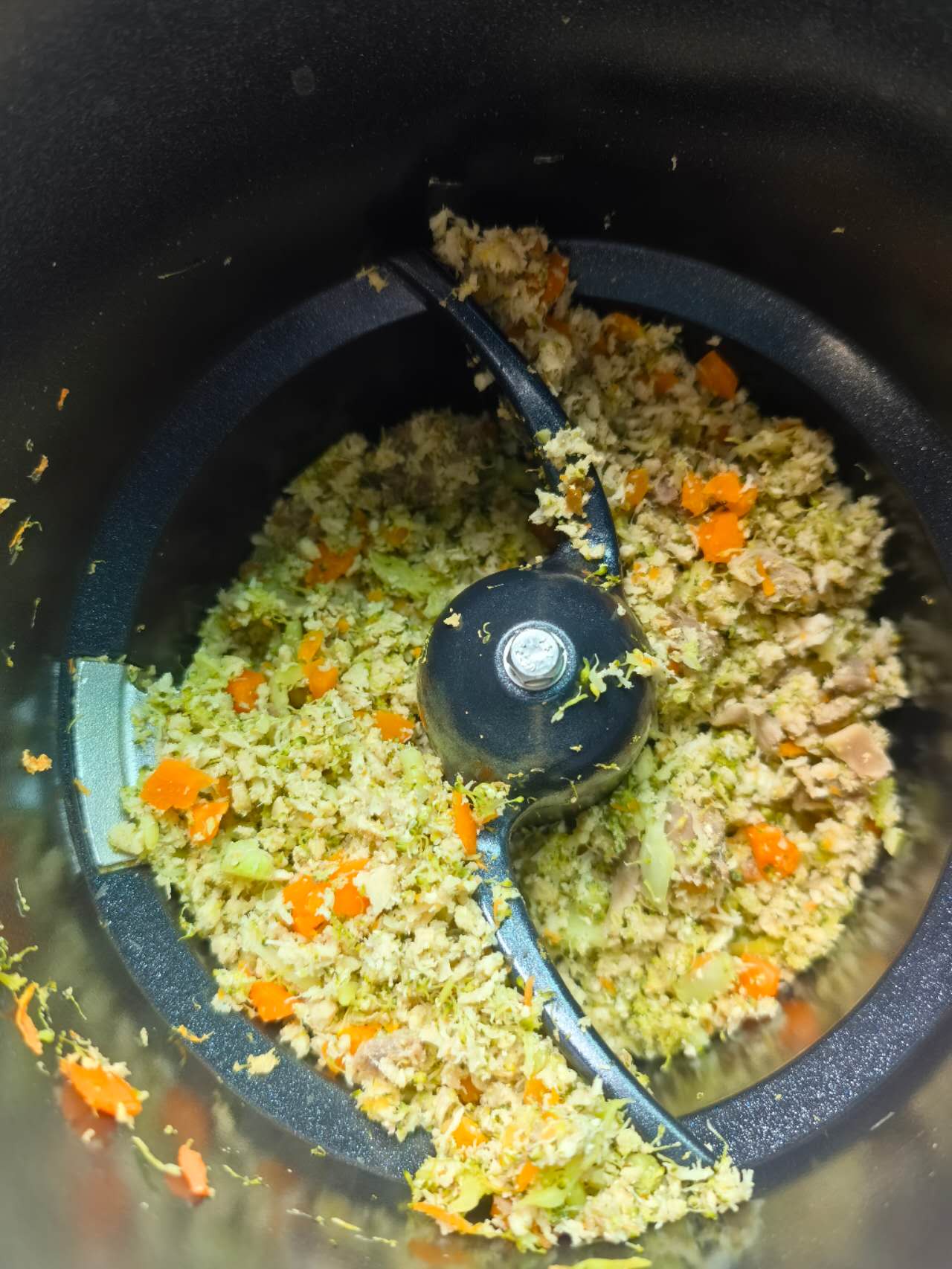
Homemade pet food usually starts the same way: a cutting board, a knife, and a pile of chicken, pumpkin, or carrots waiting to be chopped. Ullopet was built to skip that step. You add cleaned ingredients in larger pieces, choose a mode, and the grinding assembly does the cutting inside the bowl — so dinner prep looks more like loading a cooker than running a kitchen line.
That matters on busy weeknights. Large pieces of meat and vegetables go straight into the inner bowl. The patented blade tears and cuts as the program runs, so you are not pre-dicing everything to a uniform cube before you press start. Wash the ingredients, load them, pick a texture, and let the machine work while you stay in the room.
Different pets — and different recipes — need different bite sizes. Ullopet’s modes drive how aggressively the blade works the batch. Paste and soft bowls lean finer for kittens, seniors, or picky eaters. Wet food and meat meal leave more visible pieces. Meat floss and jerky pull toward strands and chews. The same cutter assembly follows the program, so one machine can move from a soft mash to a coarser, more textured bowl without swapping gadgets.
Speed is part of the point. A high-speed blender tends to puree everything into one smooth paste. Ullopet’s slow, tearing cut is designed to break ingredients down while leaving more of the natural fiber and bite intact. You can see strands and small pieces in the finished bowl instead of a uniform slurry — a texture many dogs and cats find more interesting to eat, especially as a topper over complete kibble or as part of a complementary homemade meal.
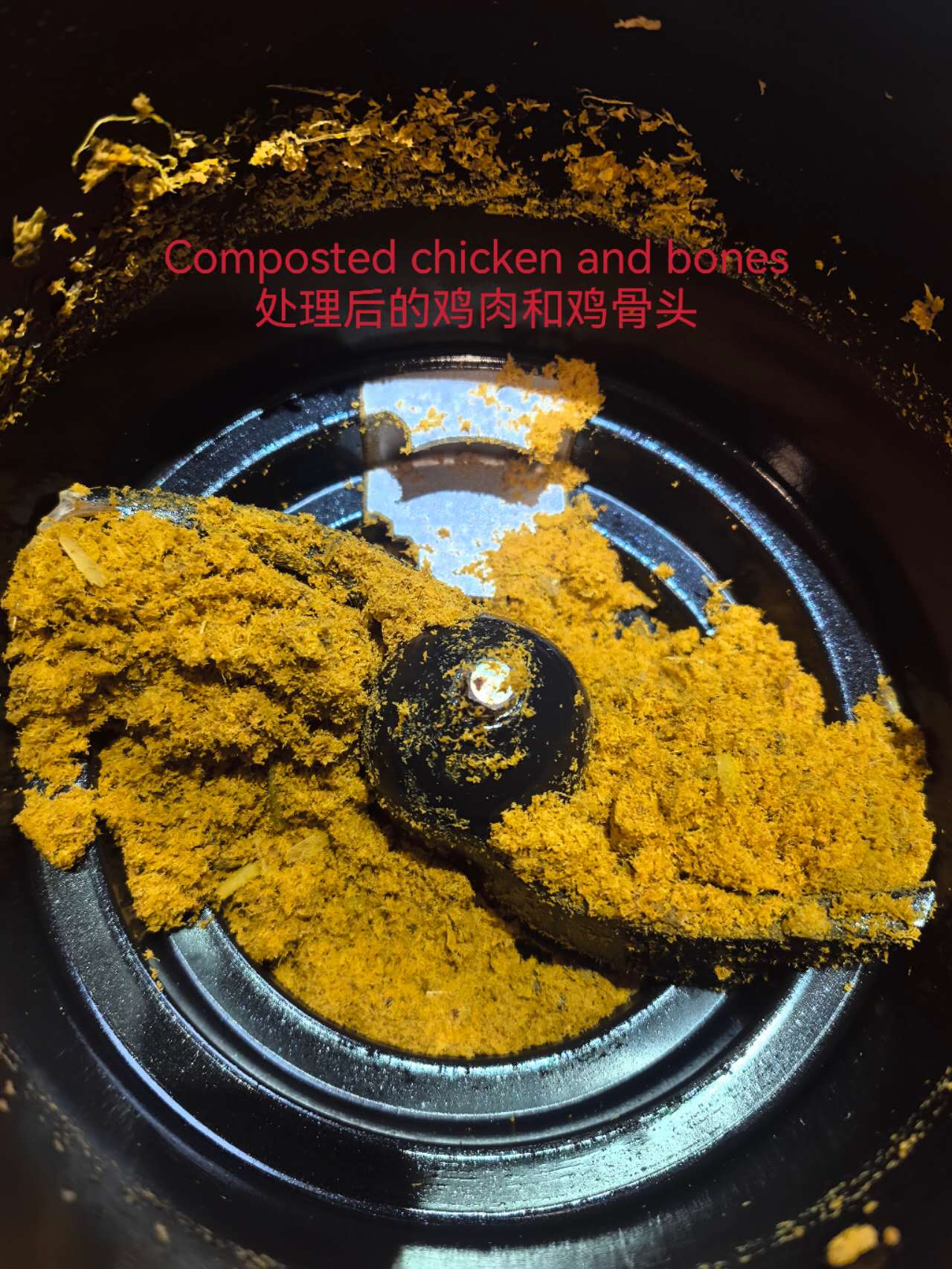
Because the cut is controlled rather than a violent spin, the bowl can handle a wider range of everyday kitchen ingredients in one load: meat, firm vegetables like carrot, softer produce, and — when your recipe calls for it — small chicken bones that the blade can break down with the meat. That is the kind of batch you see when chicken and bone are processed together into a fibrous shred rather than left as large fragments. Always use bones only as your recipe and common pet-feeding sense allow: stick to appropriate small bones the machine is meant to process, never force oversized hard bones into the bowl, and treat homemade batches as complementary unless a veterinarian confirms a complete formula.
Put simply: less knife work for you, more texture in the bowl for them. Load whole-ready pieces, let the program set the grind, keep the fiber that makes fresh food feel like food — and use the blade’s slow tear for the ingredients your household actually cooks with. When you are ready to try a starter bowl, browse our recipes, or join Get yours to hear when home units reach your market.
Related: Technology · Recipes · Get yours